
Serving 5,000+ Learners Across 5 Countries Taught Me This:
Learning technology isn't about the platform.
It's about the moment someone finally understands something they've been struggling with.
Whether it's:
A nurse accessing just-in-time protocol training
A teacher mastering new classroom technology
A student finally connecting with course material
The best EdTech disappears into that moment.
It doesn't get in the way. It doesn't require a manual. It doesn't create barriers.
It just... helps.
That's what I design for. That's what I consult for.
Everything else is noise.
#EdTech #LearningTechnology #InstructionalDesign #PurposeDriven
The SCORM Package Everyone Thinks Works... But Doesn't

You export from Storyline. It plays in your LMS. Success, right?
Wrong.
Here's what I check on EVERY SCORM package before calling it "done":
→ Completion criteria (based on slides viewed or quiz passed?)
→ Score tracking (does it pass the right value?)
→ Resume behavior (does it actually resume, or restart?)
→ Launch settings (new window parameters set correctly?)
→ Communication logs (what's actually being sent to the LMS?)
The number of "working" courses I've debugged because they didn't truly work is staggering.
Test in your target LMS. With real user accounts. Before launch day.
Your compliance reports will thank you.
#EdTech #ELearning #SCORM #InstructionalDesign #QualityAssurance
Question for L&D Leaders:
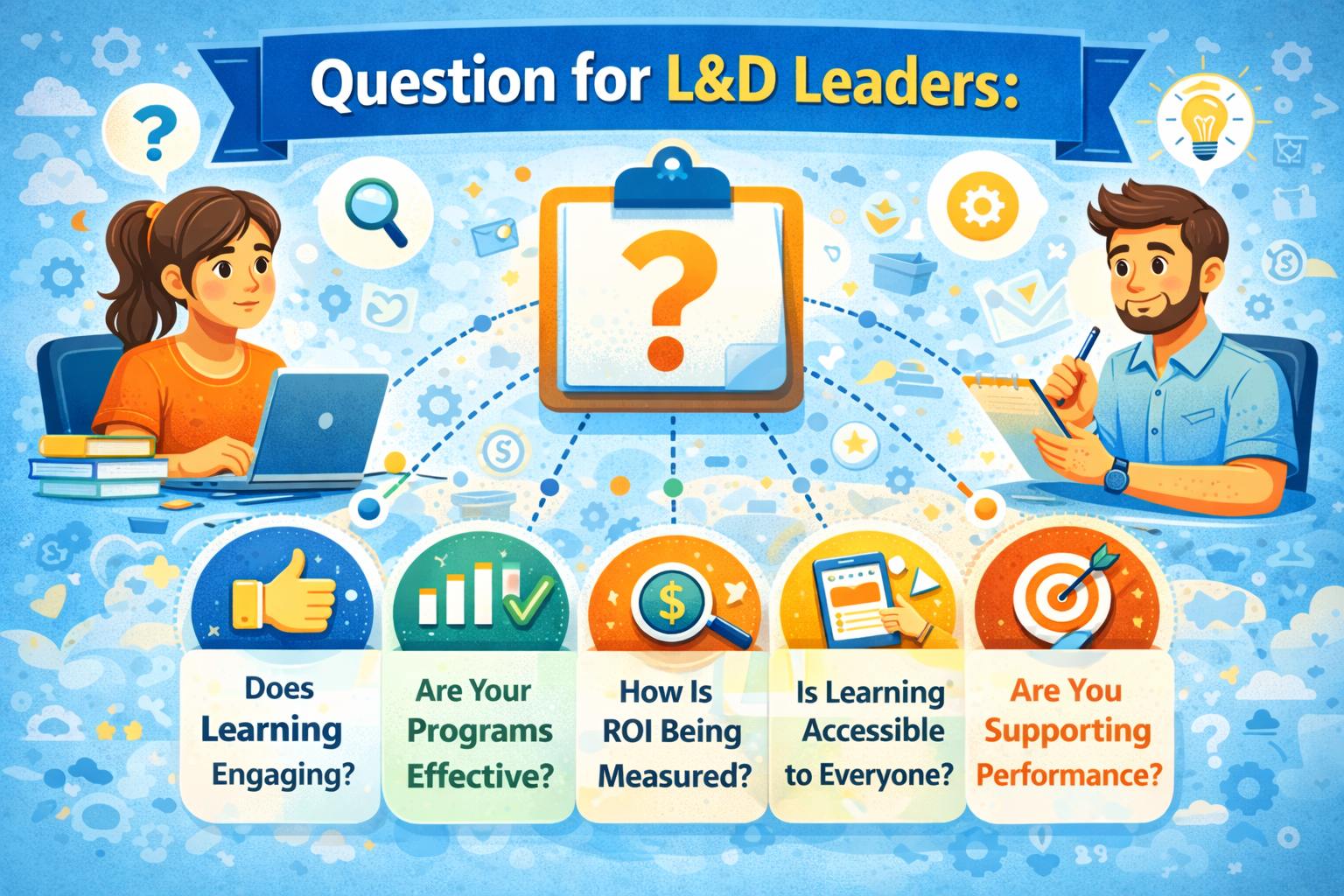
You have 10 hours to improve learning outcomes across your entire organization.
Do you:
A) Build one new high-quality course
B) Fix the navigation in your LMS
C) Train managers on coaching conversations
D) Analyze completion data to identify barriers
I'm genuinely curious what you'd prioritize and why.
(My answer might surprise you—I'll share in the comments)
#LearningAndDevelopment #EdTech #Leadership #CorporateTraining

From 10% Course Completion to 87% in 90 Days
True story from my time managing enterprise learning systems:
The problem? Required training was being ignored. Leadership was frustrated. Compliance was at risk.
We didn't add more reminders. We didn't mandate it harder.
We did this:
1️⃣ Analyzed WHERE learners were dropping off
2️⃣ Interviewed 20 employees about their actual workflow
3️⃣ Redesigned delivery for mobile-first access
4️⃣ Chunked content into workflow-integrated moments
5️⃣ Removed every unnecessary click
The content barely changed. The delivery changed everything.
Sometimes the problem isn't engagement. It's friction.
#LearningAndDevelopment #EdTech #UserExperience #TrainingStrategy
AI in EdTech: What's Actually Working vs. What's Hype

After 90 days of testing AI tools in learning technology, here's my honest assessment:
Working well:
Content outlining and ideation
Accessibility improvements (alt text, transcripts)
Personalized learning path suggestions
Administrative task automation
Still overhyped:
Full course generation (quality is inconsistent)
Replacing instructional designers (not even close)
Assessment creation (requires heavy human oversight)
The sweet spot? AI as your co-pilot, not your autopilot.
It amplifies good instructional design. It doesn't replace it.
What AI tools are you actually using in your L&D work?
#AIinEducation #EdTech #InstructionalDesign #FutureOfWork
Supportive Leadership
Over my career I have worked for a few organizations. I have had the opportunity to watch multiple leaders in action who display multiple styles of leadership. Out of every organization one thing I see is that many leaders have trouble treating the help well. This is a challenge at all levels which is one reason I admire leaders who are very aware of the emotional help of their help. Those leaders that take the time out of their busy schedules to provide an empathetic ear to what I occurring is their subordinates lives, knowing they probably can’t change much but allowing individuals to unburden and just listen. I have always admired those that take that time and are truly in someone else’s space.
This week I had the opportunity to do just that with a coworker who was having a bad day. Their leader started the day off with a dressing down of everyone. I knew what was said as I was present. I could see some frustration building as this co-worker had left a toxic work environment and taken a new job on. He didn’t mind being made aware of potential problems and how he could improve but he wished it could have been done in a different manner. He started off the day in a negative mindset. He felt put down. During our break I noticed he was still having a rough day and needed to talk. Over coffee and energy drinks I gave him an opportunity to unburden what was frustrating him. I didn’t say much and allowed him to get it all off his chest. When that was done
The Real Cost of a Poor LMS Migration
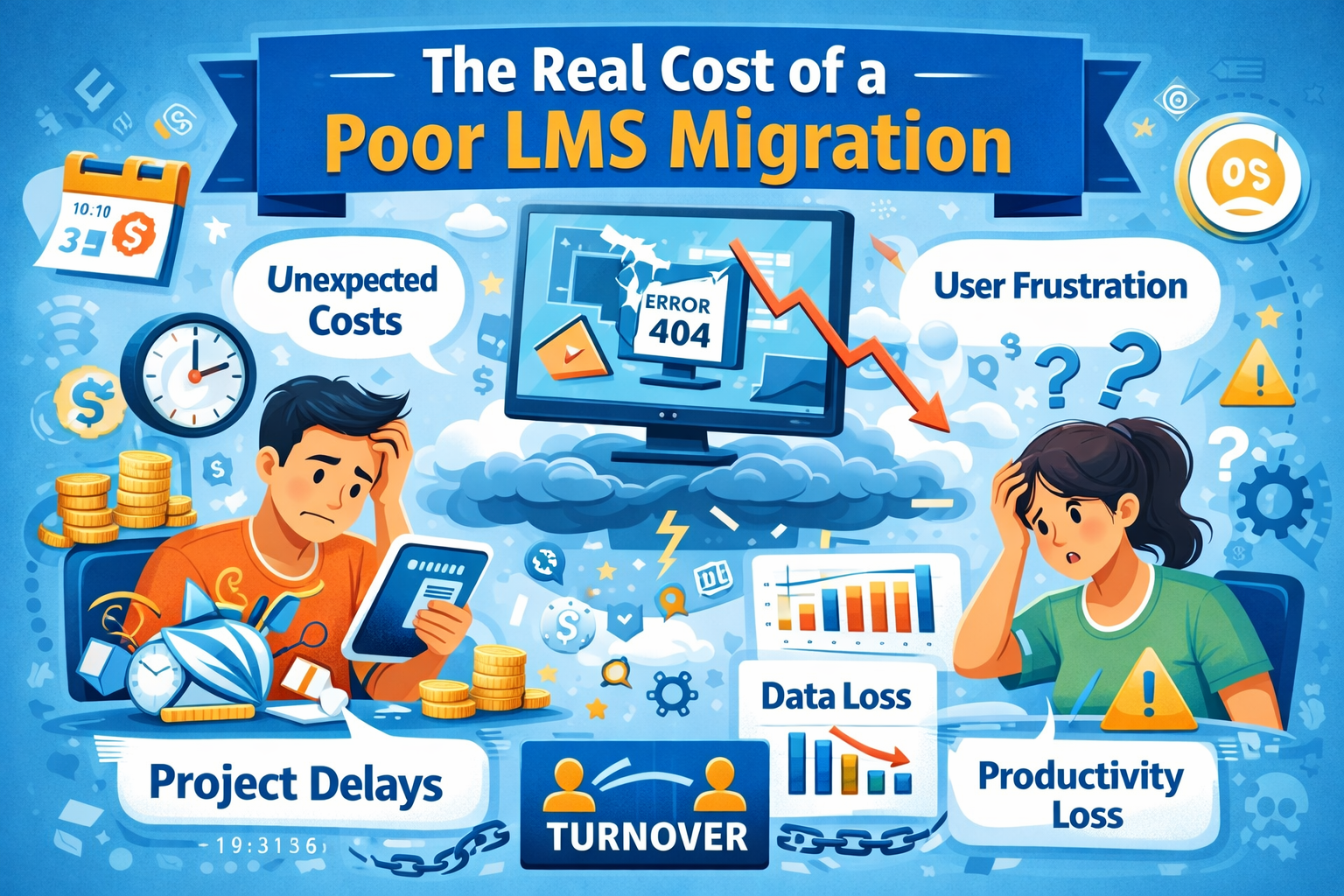
After managing LMS implementations across 5,000+ learners in multiple countries, I've seen organizations make the same critical mistake: focusing on the technology instead of the learners.
Here's what actually matters:
✅ Data integrity mapping (not just "can we export?")
✅ User adoption strategy (before launch, not after)
✅ Content compatibility testing (every. single. SCORM package.)
✅ Communication cadence (over-inform, then inform again)
The technical migration is 30% of the work. The change management is where success lives.
What's been your biggest LMS migration lesson? Drop it in the comments.
#EdTech #LMS #LearningTechnology #InstructionalDesign
My Experience as a Seasonal UPS Employee: A Journey of Growth and Learning
Over the past few weeks, I had the unique opportunity to experience life as a seasonal employee. Working out of the Chattanooga office, I encountered both pleasant surprises and unexpected challenges that offered valuable lessons.
UPS has earned a well-deserved reputation as a highly efficient company. Over the past few weeks, I had the unique opportunity to experience life as a seasonal employee. Working out of the Chattanooga office, I encountered both pleasant surprises and unexpected challenges that offered valuable lessons.
A Smooth Application Process
The application process at UPS was impressively straightforward. It’s one of the few companies where you can apply online, receive a prompt response, and be hired within a day! The onboarding process had some initial hiccups, but the efficiency of their system showed great potential.
Getting Started: Training and Tools
The training was brief and focused, though there’s room for improvement in depth and clarity. I appreciated being equipped with essential tools, including the DIAD (Delivery Information Acquisition Device), which streamlined the delivery process by organizing and directing routes effectively.
A Dynamic First Week
My first week was a whirlwind of new experiences. While the long hours and unexpected adjustments tested my stamina, I appreciated the opportunity to learn the ropes. Supervisors and fellow employees were generally supportive, with some stepping in to provide helpful advice that made the job more manageable.
Finding My Rhythm
By the second week, things started to click. Routes were more familiar, and my efficiency improved. I was fortunate to explore different areas of the city, uncovering hidden gems and gaining a broader understanding of my community. The introduction of electronic training during this period added valuable safety insights that enhanced my daily work experience.
Memorable Moments
Every day brought unique encounters, from amusing interactions with customers to navigating diverse neighborhoods. While some deliveries presented challenges, these moments were balanced by the camaraderie of the UPS team and the satisfaction of completing a demanding but rewarding day.
Reflections and Suggestions for Improvement
Throughout my time at UPS, I identified areas where the experience could be even better for seasonal employees. Here are a few key recommendations:
Enhanced Training: Providing in-depth, hands-on training before starting would prepare new hires for success. A concise guidebook or cheat sheet explaining jargon and common scenarios would also be a great resource.
Route Clarity and Consistency: Offering route maps and clear information upfront would help drivers plan their day better, reducing uncertainty and improving time management.
Streamlined Communication: Simplifying the scheduling system to minimize daily availability checks would save time and eliminate redundancy.
Tailored Workloads: Allowing seasonal employees to choose routes based on their preferences or availability could increase job satisfaction and retention.
Closing Thoughts
Despite its challenges, my seasonal role at UPS was a rewarding adventure that I’ll always cherish. It gave me a newfound appreciation for the dedication of delivery drivers and the intricate logistics that keep the system running smoothly. I left with a deeper connection to my city, a collection of memorable experiences, and an appreciation for the resilience and adaptability this job required.
Unhurried Life
Embracing the Art of Unhurried Living
In a world that often values speed and efficiency, the concept of unhurried living can seem like a radical notion. However, the benefits of slowing down and savoring the present moment are undeniable. As we navigate the ever-evolving landscape of modern life, it's crucial to cultivate a mindset that prioritizes mindfulness, balance, and a deeper connection with ourselves and our surroundings.
Unhurried living is not about being unproductive or lazy; rather, it's about finding a harmonious rhythm that allows us to engage with our daily tasks and responsibilities with a greater sense of presence and purpose. By embracing this approach, we can unlock a newfound appreciation for the simple pleasures that often go unnoticed in the hustle and bustle of our daily routines.
One of the key aspects of unhurried living is the art of mindfulness. When we slow down and become more attuned to the present moment, we can better observe and appreciate the nuances of our experiences. This heightened awareness can lead to a greater sense of gratitude, reduced stress, and a deeper connection with our inner selves.
Moreover, the practice of unhurried living can have a profound impact on our relationships and overall well-being. By taking the time to truly listen and engage with others, we can foster more meaningful connections and cultivate a greater sense of empathy and understanding. Additionally, the act of slowing down can provide us with the necessary space to reflect, recharge, and make more informed decisions.
As we embrace the concept of unhurried living, it's important to remember that it's not a one-size-fits-all approach. Each individual's journey will be unique, and it's essential to find a rhythm that resonates with your personal needs and preferences. Whether it's carving out dedicated time for mindful activities, prioritizing self-care, or simply being more intentional about how you spend your days, the key is to find what works best for you.
In a world that often encourages us to constantly strive and achieve, the art of unhurried living serves as a powerful reminder to pause, reflect, and savor the present moment. By cultivating this mindset, we can unlock a deeper sense of fulfillment, resilience, and joy, ultimately leading to a more balanced and enriched life.Unhurried living is a deliberate embrace of the present moment, a rejection of the frenetic pace that often defines modern existence. It is a conscious choice to slow down, to savor the small joys and quiet moments that can so easily be overlooked in the pursuit of productivity and achievement. This approach to life encourages mindfulness, allowing individuals to fully engage with their surroundings, their relationships, and their own inner landscapes. By cultivating a sense of presence and gratitude, unhurried living fosters a deeper connection to oneself and the world, ultimately leading to a more fulfilling and balanced existence.